
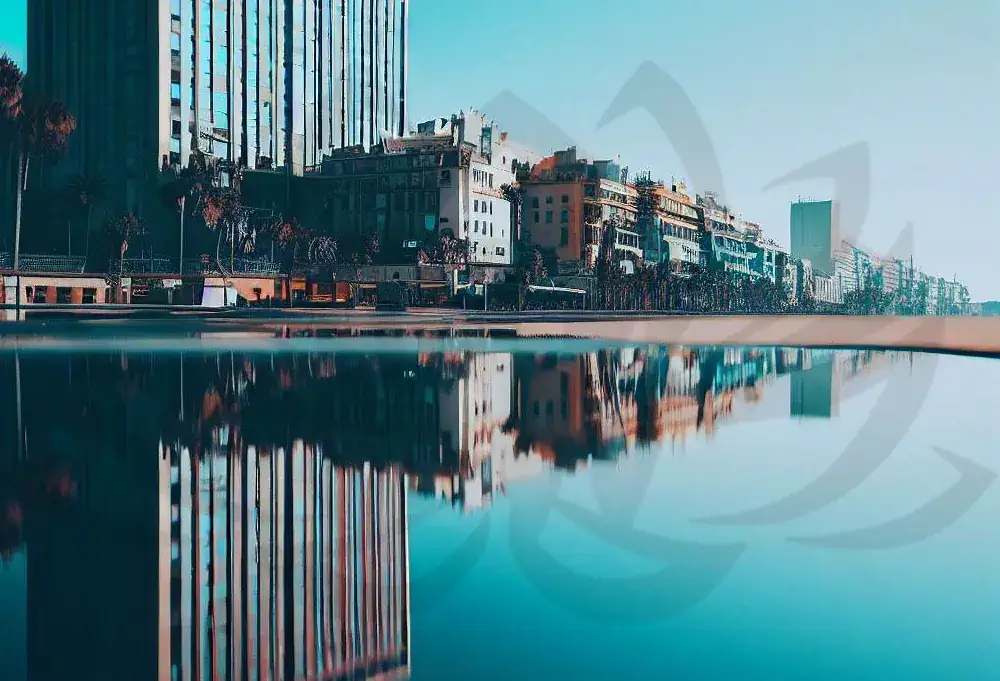
Casablanca
Located on the atlantic coast of Morocco, is the country's largest city and an important center of economy and trade.
With its rich history, impressive architecture and cosmopolitan atmosphere, it is a fascinating destination for travelers from all over the world.
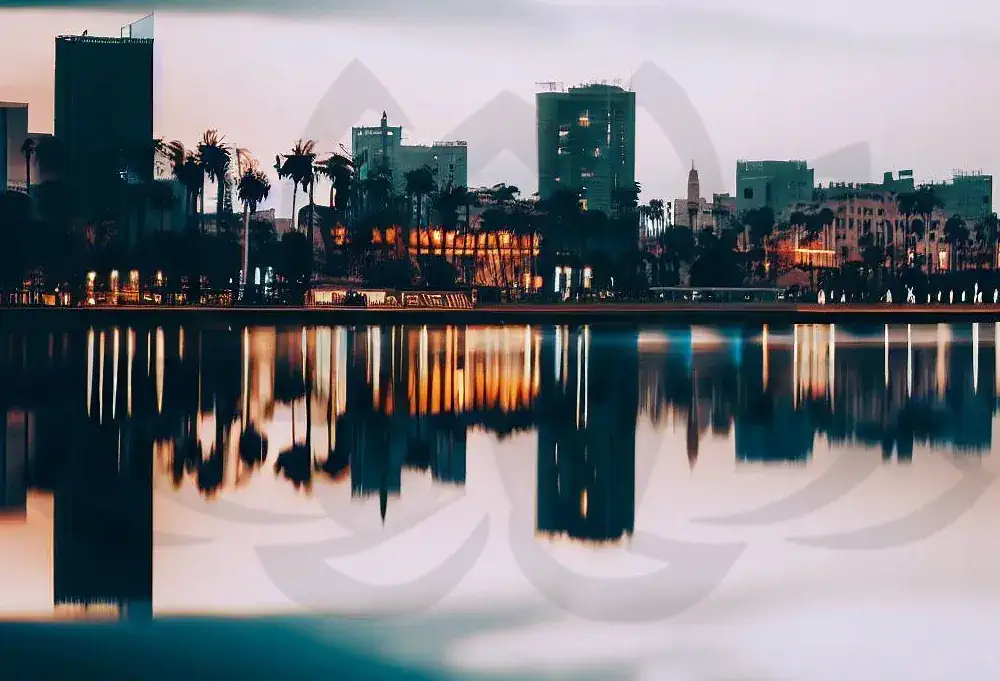
Geographic location : Casablanca is ideally located on the west coast of Morocco, bordering the Atlantic Ocean.
Its strategic position makes it a hub for trade and exchange with the rest of the country and the African continent.
Iconic architecture : Famous for its unique and impressive architecture.
The Hassan II Mosque, one of the largest mosques in the world, is an iconic symbol of the city with its majestic minaret. The Art Deco and Modernist buildings of the old medina district and the city center add a touch of charm to the urban setting.
Economic dynamism : As Morocco's main economic center, Casablanca is a real engine of growth for the country.
The city is home to numerous international companies, headquarters, business centers, and industrial zones. It also offers numerous employment opportunities and a thriving entrepreneurial scene.
Modern infrastructure : Casablanca stands out for its modern infrastructure which makes daily life easier for residents.
Mohammed V International Airport connects the city to the rest of the world, while highways and public transport networks provide easy mobility throughout the region.
Tourist attractions The city is full of captivating tourist attractions. Besides the Hassan II Mosque, visitors can explore the old medina with its bustling alleyways, visit the residential district of Anfa, or relax on the beautiful beaches of the Corniche.
Vibrant cultural life Renowned for its vibrant cultural life. Art galleries, museums, theaters, and concert halls offer a variety of artistic and cultural events throughout the year. Local festivals and events also attract visitors with their festive and friendly atmosphere.
Shopping and gastronomy : The city is full of modern shopping malls, designer boutiques and traditional markets where visitors can find local products, handicrafts and unique souvenirs.
Casablanca's gastronomic scene is also rich and diverse, offering a wide range of restaurants serving traditional Moroccan and international cuisine.
Seaside pleasures With its coastal location, it offers unparalleled seaside pleasures. The fine sandy beaches of the Corniche are popular for swimming, water sports, and relaxing walks by the ocean.
The beachfront cafes and restaurants offer stunning ocean views, creating an atmosphere conducive to relaxing and enjoying delicious fresh seafood dishes.
Lively nightlife : Renowned for its vibrant nightlife. Bars, clubs, discos, and casinos offer a variety of entertainment options for all tastes.
Visitors can enjoy a pleasant evening in trendy venues, dance the night away to the rhythm of music or try their luck at games of chance.
Moroccan hospitality : Finally, one of the major advantages is the warm and welcoming hospitality of the locals.
Visitors are welcomed with kindness and generosity, and can discover authentic Moroccan culture through meetings and exchanges with locals.
In short, it is a dynamic city offering a unique combination of history, modernity, culture, economic opportunities and seaside pleasures.
Whether for business, leisure or investment, it is an attractive destination that will appeal to visitors seeking unique and memorable experiences.
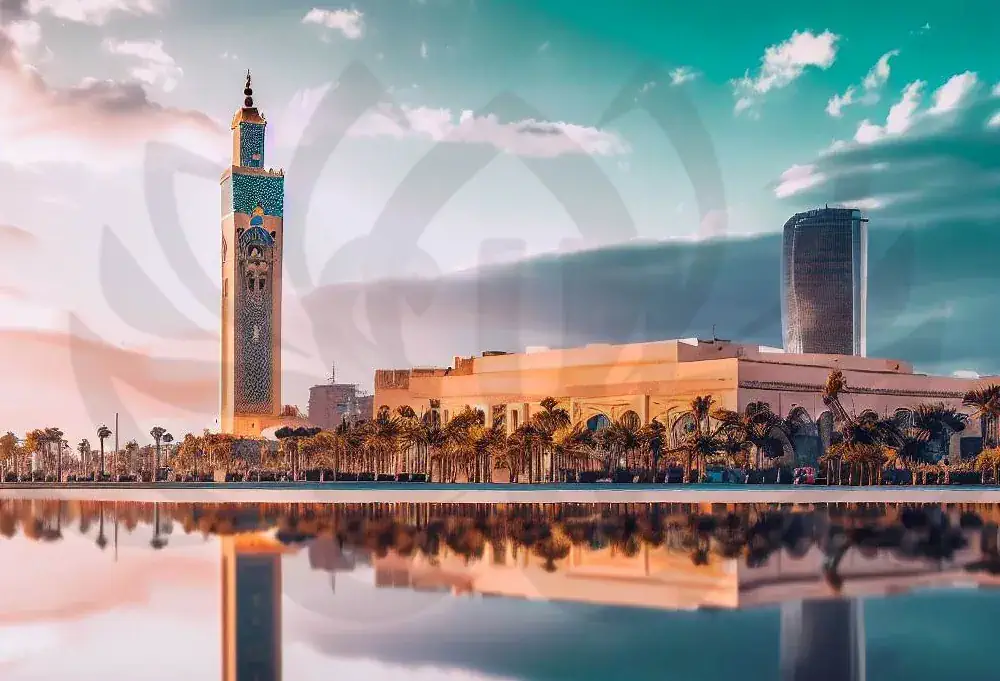
Nicknamed the (Pearl of Morocco), it is a city rich in history and cultural heritage.
Here are some important historical details:
Foundation and evolution Casablanca was founded in the 7th century BC by the Berbers. Over the centuries, the city was successively occupied by the Phoenicians, the Romans, and the Arabs. In the 15th century, it was incorporated into the Kingdom of Morocco and became an important trading port.
Portuguese influence : In the 15th century, Casablanca was occupied by the Portuguese who built a fortress there.
They also established trade links with Europe, which contributed to the economic development of the city.
French occupation : In 1907, Casablanca became a French protectorate.
Under French occupation, the city experienced economic growth and significant modernization.
The French built a lot of infrastructure, including administrative buildings, schools and hospitals.
Colonial architecture : French influence is reflected in Casablanca's architecture, with many Art Deco and Modernist style buildings.
Iconic examples of this architecture include the old medina district, the Habous district and the famous Mohammed V Square.
Independence and development : In 1956, Morocco gained its independence from France.
Since then, Casablanca has continued to develop rapidly as the country's economic and commercial center.
The city is home to many national and international companies, as well as important financial and industrial centers.
The Hassan II Mosque : The Hassan II Mosque, located in Casablanca, is an emblematic symbol of the city.
Built between 1986 and 1993, it is considered one of the largest mosques in the world.
Its construction testifies to the importance of religion and culture in Moroccan society.
Cultural significance : Casablanca is also a major cultural center in Morocco.
The city is home to numerous museums, art galleries, theaters, and concert halls that showcase Moroccan art, music, and heritage.
Festivals and cultural events are held throughout the year, attracting artists and visitors from all over the world.
Casablanca's historical richness is reflected in its architecture, culture and heritage.
By exploring the city, visitors can discover the different layers of its history and appreciate the evolution of this dynamic Moroccan metropolis.
Resistance and memory : Casablanca also played an important role in the struggle for Moroccan independence.
The city was the scene of protests and resistance movements against French colonialism.
Emblematic figures of the struggle for independence, such as Mehdi Ben Barka and Allal El Fassi, emerged from Casablanca, leaving an indelible mark on the country's history.
The Habous district : The Habous district is a true historical treasure of Casablanca.
Built during the colonial period, this district is full of narrow streets, bustling souks and magnificent traditional buildings.
It is an ideal place to discover Moroccan crafts, taste local specialties and soak up the authentic atmosphere of the city.
Cultural influences : Casablanca is a cosmopolitan city where different cultures and influences blend together.
Besides the French influence, the city is home to a diverse community including Moroccans from different regions of the country, as well as foreigners who have come to settle there to work or live.
This diversity is reflected in the city's cuisine, arts, music and daily life, creating an atmosphere rich in cultural exchange.
Urban development : Over the years, Casablanca has experienced significant urban development.
The city has expanded and modernized to meet the needs of a growing population and changing economic activities.
New residential neighborhoods, commercial complexes, green spaces, and modern infrastructure have been created, helping to make Casablanca a dynamic and attractive metropolis.
The economic role : Casablanca is the economic center of Morocco and home to many national and international companies.
The city has several industrial zones and business parks, attracting investors and promoting economic development.
It also offers numerous job opportunities in various sectors, including finance, commerce, services and industry.
Casablanca is a city that harmoniously combines its rich historical past with its modernity.
Visitors and residents alike can enjoy the architectural beauty, cultural diversity, tourist attractions, and economic opportunities that this vibrant Moroccan metropolis offers.


 English (UK)
  Français
  Español
  Italiano
  Deutsch
Join The Discussion